
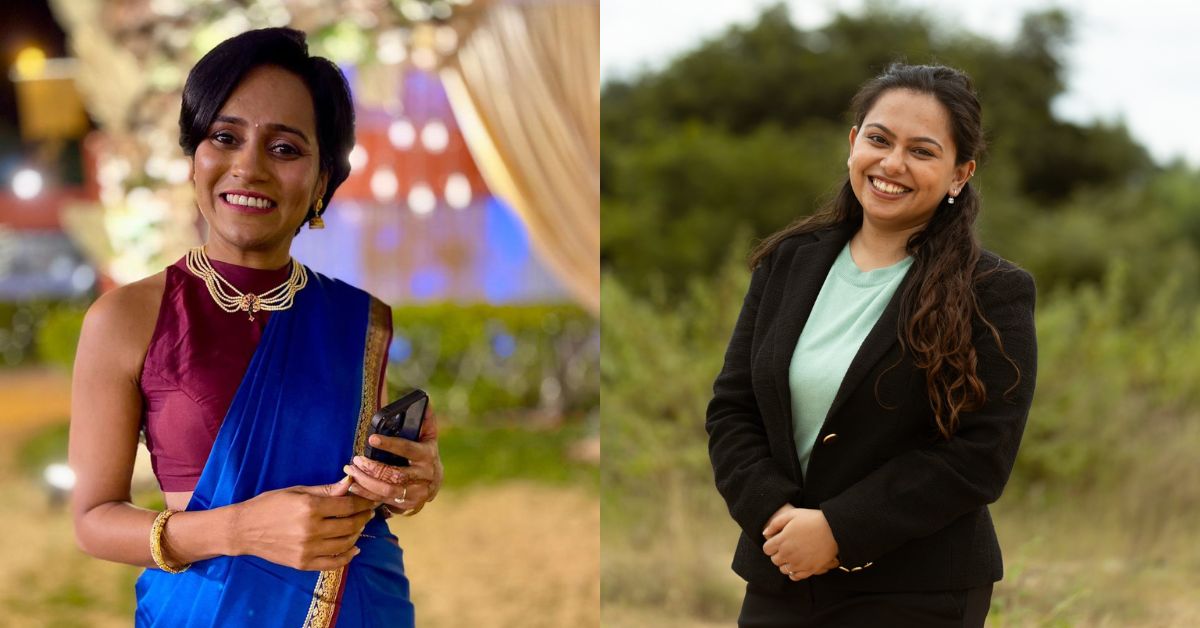
“I had only three weeks to live every month” “I had three weeks to live every month. The pain was so excruciating that it felt like someone was stabbing me from the inside and twisting my intestines. Seven doctors gave me only painkillers and said it was just painful periods,” says Sneha Khedkar (29). For Devleena Chatterjee (33), the experience was no different. “The pain was so sharp that it felt like something was completely wrong with my body. I felt like I was not functioning for 14 days every month,” she shares. What connects these two women is a long and agonising struggle with endometriosis — a condition where tissue similar to the lining of the uterus grows outside it, causing chronic pain, inflammation, and, often, severe disruption to daily life. Despite debilitating symptoms, both women say the most painful part was being repeatedly dismissed by doctors.
“No one took my pain seriously for years” Sneha visited over seven doctors in five years, seeking help for her crippling period pain. Each time, she was sent home with painkillers. She had painful periods from the age of 12 and continued suffering until her late 20s without ever knowing that something called endometriosis existed. After 14 years of pain, she finally met a doctor who took her seriously and suggested the possibility of endometriosis. “I cried that day. I finally knew it wasn’t in my head, and it wasn’t because I had a ‘low tolerance for pain’,” she says.
“It was not just period pain — something inside me was wrong” Like Sneha, Devleena also spent years in unexplained agony. She had lived most of her life with pain-free periods until two and a half years ago, when debilitating pain began without warning. Concerned, she spoke with her in-laws — both doctors — who guided her to a specialist. Initial tests suspected appendicitis, but endometriosis was also considered. However, diagnosing endometriosis is difficult without surgery. “The gold standard to diagnose endometriosis is laparoscopy, but it’s invasive. Clinical observation, sonography, and MRI help, but confirmation often requires surgery,” explains Dr. Vinoad Bharrati, Obstetrician & Gynaecologist, Director, Elite Momz, Rising Medicare Hospital. An ultrasound initially ruled out appendicitis, and she was advised to wait and watch. But months later, the pain intensified. While alone in Bengaluru, Devleena rushed to the emergency room. This time, tests suggested appendicitis — leading to an appendectomy. But during surgery, doctors accidentally touched endometriotic fluid, causing it to spread and worsen her condition. Her digestion deteriorated for over a year, and the period pain became unbearable. “I was popping painkillers every eight hours just to survive,” she recalls.
“Just listen to us — we know our bodies” For Sneha, the turning point came when her partner insisted doctors take her pain seriously. Only then was she sent for an MRI, which finally confirmed endometriosis. “I cried when I got the diagnosis. I felt robbed of so many years of my life. I wish someone had just listened to me,” she says. In December 2021, she underwent surgery. Hormonal treatment didn’t help and worsened her anxiety. Still in pain, she discovered an endometriosis expert in Mumbai. A detailed MRI revealed a cyst pressing against the ligament behind her uterus — likely the cause of her extreme pain. She underwent another surgery in December 2022. A histopathology report finally confirmed endometriosis. After years of pain and invalidation, Sneha is now able to live a normal life. “It wasn’t in my head. I knew my body,” she says.
“It felt like 1,000 needles were pricking me” Devleena’s journey was even more complex. Complications after her first surgery caused sharp, stabbing pains that would leave her collapsing. She struggled with anxiety, vomiting, and digestive issues. Earlier this year, a CT and MRI finally revealed a 9 cm cyst in her abdomen. Surgery was unavoidable. “What was supposed to be a one-hour surgery became a five-hour operation. The fluid had spread across my stomach and digestive system. They had to remove my ovary,” she shares. Her mother-in-law, herself a doctor, insisted on removing the ovary to prevent future complications. Many women, Devleena notes, are not even asked about such decisions. “Women’s choices are often ignored. Doctors decide for them. It’s unfair.”
“Pain is not part of being a woman” Sneha recalls being told to “have a child soon” at just 25 — as if childbirth was a treatment. Both women believe the biggest problem is the normalization of women’s pain. “This level of pain is not normal. Understanding your body is empowering,” says Devleena. Sneha agrees: “Why is this kind of pain normalised? Pain is not a normal physiological process. Pain is not part of being a woman. This mentality needs to stop.”
Key Message To build a #BetterIndiaForWomen, both women say: – Doctors must listen to women. – Women must prioritise their own health. – Severe period pain is a symptom, not a personality trait. – Delays in diagnosis cause physical and emotional damage. “If your pain is unusual or unbearable, go to a doctor who listens. Don’t give up. Your health matters,” emphasises Sneha.
Medical Insight Provided By: Dr. Vinoad Bharrati, Obstetrician & Gynaecologist Director, Elite Momz – Rising Medicare Hospital, Pune