
Why Don’t We Take Period Pain Seriously? 2 Women Share Their Painful Endometriosis Journeys

Why Don’t We Take Period Pain Seriously? 2 Women Share Their Painful Endometriosis Journeys Why Don’t We Take Period Pain Seriously? Two Women Share Their Painful Endometriosis Journeys Despite growing awareness about women’s health, severe period pain is still widely dismissed. Many women are told to “tolerate it,” “take a painkiller,” or are made to believe they simply have a low pain threshold. But for countless women, the pain is far from normal — it is a sign of endometriosis, a chronic condition that is extremely misunderstood and notoriously difficult to diagnose. In this feature, two women — Devleena Chatterjee and Sneha Khedkar — share their long, painful journeys of finally discovering what was wrong with their bodies after years of being ignored, misdiagnosed, and told their pain wasn’t real. (See their story in detail via The Better India.) “I had only three weeks to live every month” “I had three weeks to live every month. The pain was so excruciating that it felt like someone was stabbing me from the inside and twisting my intestines. Seven doctors gave me only painkillers and said it was just painful periods,” says Sneha Khedkar (29). For Devleena Chatterjee (33), the experience was no different. “The pain was so sharp that it felt like something was completely wrong with my body. I felt like I was not functioning for 14 days every month,” she shares. What connects these two women is a long and agonising struggle with endometriosis — a condition where tissue similar to the lining of the uterus grows outside it, causing chronic pain, inflammation, and, often, severe disruption to daily life. Despite debilitating symptoms, both women say the most painful part was being repeatedly dismissed by doctors. “No one took my pain seriously for years” Sneha visited over seven doctors in five years, seeking help for her crippling period pain. Each time, she was sent home with painkillers. She had painful periods from the age of 12 and continued suffering until her late 20s without ever knowing that something called endometriosis existed. After 14 years of pain, she finally met a doctor who took her seriously and suggested the possibility of endometriosis. “I cried that day. I finally knew it wasn’t in my head, and it wasn’t because I had a ‘low tolerance for pain’,” she says. “It was not just period pain — something inside me was wrong” Like Sneha, Devleena also spent years in unexplained agony. She had lived most of her life with pain-free periods until two and a half years ago, when debilitating pain began without warning. Concerned, she spoke with her in-laws — both doctors — who guided her to a specialist. Initial tests suspected appendicitis, but endometriosis was also considered. However, diagnosing endometriosis is difficult without surgery. “The gold standard to diagnose endometriosis is laparoscopy, but it’s invasive. Clinical observation, sonography, and MRI help, but confirmation often requires surgery,” explains Dr. Vinoad Bharrati, Obstetrician & Gynaecologist, Director, Elite Momz, Rising Medicare Hospital. An ultrasound initially ruled out appendicitis, and she was advised to wait and watch. But months later, the pain intensified. While alone in Bengaluru, Devleena rushed to the emergency room. This time, tests suggested appendicitis — leading to an appendectomy. But during surgery, doctors accidentally touched endometriotic fluid, causing it to spread and worsen her condition. Her digestion deteriorated for over a year, and the period pain became unbearable. “I was popping painkillers every eight hours just to survive,” she recalls. “Just listen to us — we know our bodies” For Sneha, the turning point came when her partner insisted doctors take her pain seriously. Only then was she sent for an MRI, which finally confirmed endometriosis. “I cried when I got the diagnosis. I felt robbed of so many years of my life. I wish someone had just listened to me,” she says. In December 2021, she underwent surgery. Hormonal treatment didn’t help and worsened her anxiety. Still in pain, she discovered an endometriosis expert in Mumbai. A detailed MRI revealed a cyst pressing against the ligament behind her uterus — likely the cause of her extreme pain. She underwent another surgery in December 2022. A histopathology report finally confirmed endometriosis. After years of pain and invalidation, Sneha is now able to live a normal life. “It wasn’t in my head. I knew my body,” she says. “It felt like 1,000 needles were pricking me” Devleena’s journey was even more complex. Complications after her first surgery caused sharp, stabbing pains that would leave her collapsing. She struggled with anxiety, vomiting, and digestive issues. Earlier this year, a CT and MRI finally revealed a 9 cm cyst in her abdomen. Surgery was unavoidable. “What was supposed to be a one-hour surgery became a five-hour operation. The fluid had spread across my stomach and digestive system. They had to remove my ovary,” she shares. Her mother-in-law, herself a doctor, insisted on removing the ovary to prevent future complications. Many women, Devleena notes, are not even asked about such decisions. “Women’s choices are often ignored. Doctors decide for them. It’s unfair.” “Pain is not part of being a woman” Sneha recalls being told to “have a child soon” at just 25 — as if childbirth was a treatment. Both women believe the biggest problem is the normalization of women’s pain. “This level of pain is not normal. Understanding your body is empowering,” says Devleena. Sneha agrees: “Why is this kind of pain normalised? Pain is not a normal physiological process. Pain is not part of being a woman. This mentality needs to stop.” Key Message To build a #BetterIndiaForWomen, both women say: – Doctors must listen to women. – Women must prioritise their own health. – Severe period pain is a symptom, not a personality trait. – Delays in diagnosis cause physical and emotional damage. “If your pain is unusual or unbearable, go to a doctor who listens. Don’t give up. Your health matters,” emphasises Sneha. Medical Insight Provided By: Dr. Vinoad Bharrati,
Pune Doctor Saves Mother and Baby in Critical 22nd-Week Pregnancy – Featured on Happiest Health
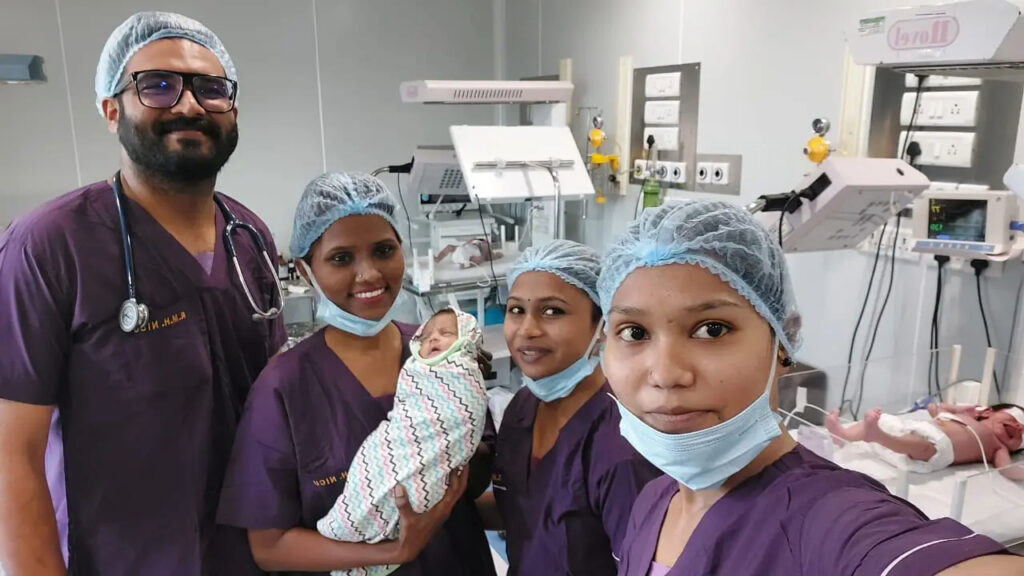
Pune Doctor Saves Mother and Baby in Critical 22nd-Week Pregnancy – Featured on Happiest Health We are proud to share that Dr. Vinoad Bharrati, Director and Consultant Gynaecologist at Rising Medicare Hospital & Elite Momz, Pune, has successfully managed a highly critical preterm pregnancy case, helping save both mother and baby in the 22nd week of pregnancy. Pune doc saved the mom-baby duo in the 22nd week This doctor helped prolong a pregnancy by eight weeks through a procedure known as emergency rescue cerclage. The preterm baby girl and the gynecological team at Elite Momz Hospital “She was in the 22nd week of her pregnancy, had no symptoms or complaints, and just came in for a routine scan,” says Dr Vinoad Bharrati, the obstetrician and gynecologist at Elite Momz, a unit of Rising Medicare Hospital, Pune, Maharashtra, who treated her. The sonography however revealed a critical problem — her cervical canal which is supposed to open only at term, was completely open, and bulging membranes were noted in her vagina. This is known as cervical incompetence, which puts the pregnancy at risk. The fetus weighed only around 500 grams at that time, and there was no chance of advancing the delivery. “Babies born before 37 weeks of pregnancy are classified as preterm,” explains Dr Bharrati. “There was a huge risk of losing the baby,” says Dr Bharrati. “We started thinking about ways to prolong the duration of the pregnancy — with a longer gestational age, she could have a safer delivery.” Life-saving cervical stitch After discussing the issues and risks involved at length with the couple, Dr Bharrati decided to go ahead with an urgent procedure, an emergency rescue cerclage, that could prolong the pregnancy. In this surgical procedure, a stitch is inserted in the cervix to prevent a miscarriage and an extremely preterm birth. Dr Vinoad Bharrati “Unfortunately,” says Dr Bharrati, “Two to three days after the surgery, the woman began showing signs of an infection. The rescue method we chose was also failing, the stitch had to be removed immediately.” The woman then spent a few weeks under the close supervision of the obstetrics and gynecology team at the hospital, which included Dr Shweta Giri, a fetal medicine specialist. “We continued managing the situation with IV fluids and antibiotics. There were both physical and psychological aspects to address. Our goal was to ensure the baby’s growth while also maintaining the mother’s health. She was suggested bed rest and close monitoring, which included tests and scans.” Baby delivered at 28th week In the 28th week of pregnancy, after labor pains ensued, the woman delivered a premature baby girl who weighed 1,500 grams at birth. The baby then spent around 50 days in the ICU and when she was finally discharged, weighed around 1600 grams. “We were able to discharge the baby, who weighed 1600 grams, which was better than the 22nd week,” says Dr Bharrati. Speaking to Happiest Health, the father of the baby, who wanted to remain anonymous recounted the harrowing experience the couple went through. “At one and a half months old, my daughter developed pneumonia and was admitted again, for about a month.” He says that the pregnancy journey was especially tough on his wife, who is now 33. “Every day, she was stressed about miscarriage. And once she was on bed rest, it was tough to be in a reclined position all day. She also developed a urinary tract infection due to the urinary catheter. Unfortunately, things were difficult after the delivery as well. Two to three months after the delivery, she developed postpartum depression,” the husband narrated. He says the baby is now nine months old and weighs around six kilos and has met most of the important milestones. “Post-discharge, her low weight was the only persistent concern. But now the doctors say her weight is normal for a preterm baby.”
Breaking the Silence: Why Menstrual Hygiene Needs Open Dialogue and Informed Choices
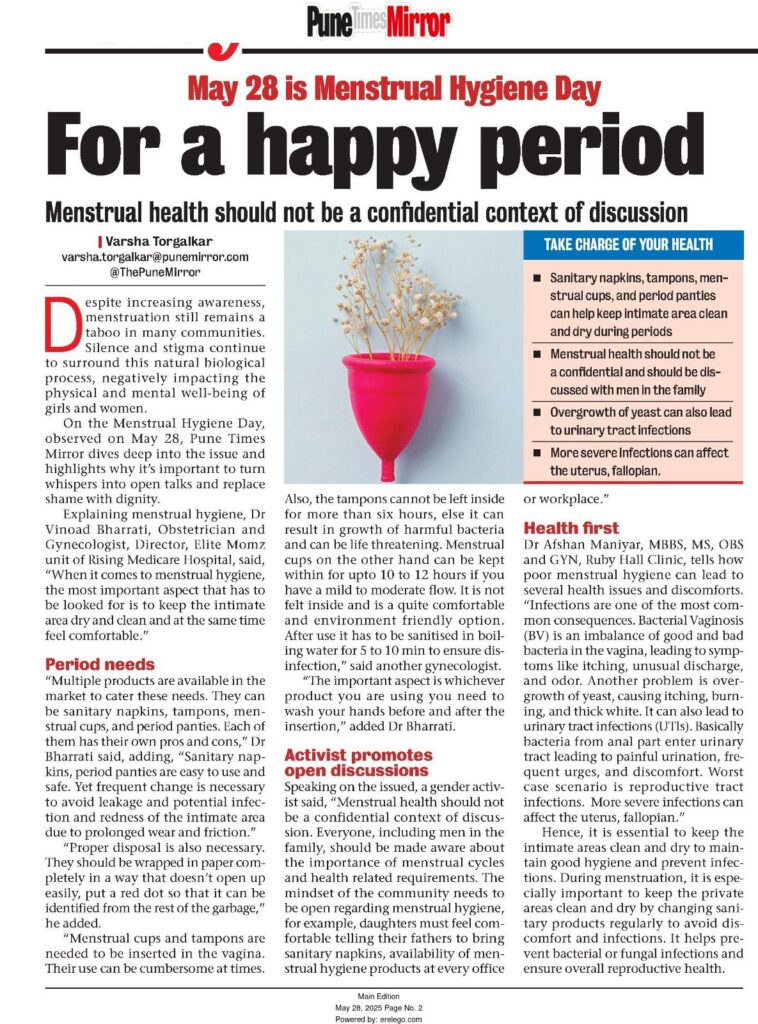
Breaking the Silence: Why Menstrual Hygiene Needs Open Dialogue and Informed Choices Breaking the Silence: Why Menstrual Hygiene Needs Open Dialogue and Informed Choices Despite increasing awareness, menstruation still remains a taboo in many communities. Silence and stigma continue to surround this natural biological process, negatively impacting the physical and mental well-being of girls and women. To read the full story on Pune Mirror, visit this Pune Mirror article . On Menstrual Hygiene Day, observed on May 28, Pune Times Mirror dives deep into the issue and highlights why it’s important to turn whispers into open conversations and replace shame with dignity. Explaining menstrual hygiene, Dr. Vinoad Bharrati, Obstetrician and Gynecologist, Director, Elite Momz unit of Rising Medicare Hospital, said, “When it comes to menstrual hygiene, the most important aspect is to keep the intimate area dry and clean and at the same time feel comfortable.” Period Needs “Multiple products are available in the market to cater to these needs. They can be sanitary napkins, tampons, menstrual cups, and period panties. Each of them has their own pros and cons,” Dr. Bharrati said, adding, “Sanitary napkins and period panties are easy to use and safe. Yet, frequent change is necessary to avoid leakage and potential infection and redness of the intimate area due to prolonged wear and friction.” He further explained the importance of proper disposal: “They should be wrapped in paper completely in a way that doesn’t open up easily. Put a red dot so that it can be identified from the rest of the garbage.” Another gynecologist added, “Menstrual cups and tampons need to be inserted in the vagina. Their use can be cumbersome at times. Also, tampons cannot be left inside for more than six hours, as this can result in the growth of harmful bacteria and can be life-threatening. Menstrual cups, on the other hand, can be kept within for up to 10 to 12 hours if you have a mild to moderate flow. It is not felt inside and is a quite comfortable and environment-friendly option. After use, it has to be sanitised in boiling water for 5 to 10 minutes to ensure disinfection.” Dr. Bharrati emphasized, “The important aspect is that whichever product you are using, you need to wash your hands before and after insertion.” Activist Promotes Open Discussion A gender activist shared, “Menstrual health should not be a confidential context of discussion. Everyone, including men in the family, should be made aware of the importance of menstrual cycles and related health requirements. The mindset of the community needs to be open regarding menstrual hygiene. For example, daughters must feel comfortable telling their fathers to bring sanitary napkins, and menstrual hygiene products should be available at every office or workplace.” Health First Dr. Afshan Maniyar, MBBS, MS, OBS and GYN, Ruby Hall Clinic, explained how poor menstrual hygiene can lead to several health issues and discomforts. “Infections are one of the most common consequences. Bacterial Vaginosis (BV) is an imbalance of good and bad bacteria in the vagina, leading to symptoms like itching, unusual discharge, and odor. Another problem is overgrowth of yeast, causing itching, burning, and thick white discharge. It can also lead to urinary tract infections (UTIs)—bacteria from the anal area enter the urinary tract, leading to painful urination, frequent urges, and discomfort. The worst-case scenario is reproductive tract infections, where more severe infections can affect the uterus and fallopian tubes.” She reiterated that it is essential to keep intimate areas clean and dry to maintain good hygiene and prevent infections. “During menstruation, it is especially important to change sanitary products regularly to avoid discomfort and infections. This helps prevent bacterial or fungal infections and ensures overall reproductive health.” Key Insights Shared in the Article: The monsoon’s humidity creates an environment where fungal, bacterial, and urinary tract infections become more common. Women should watch out for early symptoms such as curdy white or foul-smelling discharge, excessive itching, or burning sensation during urination. Lower abdominal pain or discomfort may also indicate a developing infection. Women are encouraged to adopt preventive habits like wearing cotton innerwear, changing wet clothes promptly, and choosing loose, breathable garments. Maintaining intimate hygiene is crucial—avoid perfumed soaps or sprays in sensitive areas and always clean public toilet surfaces before use.
Coronavirus and pregnant women: 7 health tips every mom-to-be should follow

Coronavirus and pregnant women: 7 health tips every mom-to-be should follow We are proud to share that Dr. Vinoad Bharrati, Director and Consultant Gynaecologist at Rising Medicare Hospital & Elite Momz, Pune, has been featured in Hindustan Times Lifestyle for his expert contribution to women’s monsoon health. I am honored to be featured in Hindustan Times, in an article published on 5th August 2025, where I shared my guidance on the five common gynaecological infections that tend to increase during the monsoon season. In this feature, I discussed how humid weather makes women more prone to fungal, bacterial, and urinary tract infections, the early warning signs they should never ignore, and the essential preventive measures every woman must follow to stay healthy and protected during the rainy season. Here are the key insights I provided: The monsoon’s humidity creates an environment where fungal, bacterial, and urinary tract infections become more common. Women should watch out for early symptoms such as curdy white or foul-smelling discharge, excessive itching, or burning sensation during urination. Lower abdominal pain or discomfort may also indicate a developing infection. I encourage women to adopt preventive habits like wearing cotton innerwear, changing clothes when wet, and choosing loose, breathable garments. Maintaining intimate hygiene is crucial—avoid perfumed soaps or sprays in sensitive areas and always clean public toilet surfaces before use. If any symptoms persist, immediate medical consultation is essential to prevent complications. Coronavirus and Pregnant Women: 7 Health Tips Every Mom-to-be Should Follow Pregnancy can weaken your immune defenses, making moms-to-be more vulnerable to infections like COVID-19. With emerging virus variants and shifting guidelines, it’s vital to stay informed. Here are 7 safety tips, suggested by an expert, that offer simple and effective ways to keep both mother and baby safe during uncertain times. Diet Tips: Supplements like folic acid, vitamin D, and iron are often prescribed during pregnancy, but they also play a role in immune support. “Never skip your vitamins.” (Image: Canva). Pregnancy in the time of COVID-19 comes with added concerns and challenges. With every variant behaving slightly differently and new research emerging, pregnant women need to stay alert. Expectant mothers have unique health needs that call for extra vigilance. Nevertheless, a few smart habits can go a long way in ensuring safety for both mother and baby. Pregnancy naturally puts the body into a hypoimmune state, meaning the immune system is slightly suppressed to support the baby’s growth. While this is normal, it also makes pregnant women more vulnerable to infections, including COVID-19. “COVID-19 can present more aggressively in expecting mothers,” says Dr. Vinoad Bharrati, Obstetrician and Gynaecologist, Director, Elite Momz. “Even asymptomatic carriers in crowded places can pose a serious risk.” That’s why—even though the worst of the pandemic may be behind us—the risk isn’t gone, especially for moms-to-be. Dr. Bharrati shares 7 must-know COVID-19 safety tips for pregnant women: Practice Frequent Hand-Washing and Avoid Face-Touching Wash hands regularly with soap and water, especially after touching public surfaces. Use sanitizer when outside. Wear a Triple-Layer Mask and Maintain Physical Distance Triple-layered masks provide added protection. Maintain at least 1 meter distance in public spaces. Avoid Crowded Places Minimize exposure by avoiding malls, events, and crowded clinics. Eat Nutritious Food and Stay Hydrated Balanced meals rich in vitamins, minerals, and proteins help boost natural immunity. Take Your Prenatal Vitamins Without Fail Supplements like folic acid, vitamin D, and iron support both mother’s and baby’s health. Keep in Touch with Your Obstetrician and Plan Smart Checkups Don’t delay appointments. Teleconsultations can be helpful for routine queries. Get Vaccinated Before or During Early Pregnancy COVID-19 vaccines are safe and effective in pregnancy and also provide newborn immunity through maternal antibodies. By following these seven simple yet effective safety tips, pregnant women can protect themselves and their babies during these uncertain times. Dr. Bharrati’s expert advice helps expectant mothers stay safe, healthy, and informed in the face of the ongoing pandemic.
Covid-19 and pregnancy: 12 ways diabetic moms-to-be can stay safe

Covid-19 and pregnancy: 12 ways diabetic moms-to-be can stay safe Covid-19 and Pregnancy: 12 Ways Diabetic Moms-To-Be Can Stay Safe India is witnessing a rise in Covid-19 cases, with new variants spreading quickly. Pregnant women — especially those with gestational diabetes — must take extra precautions to stay safe during this time. Here are 12 expert-recommended safety tips. Written by: Dr. Vinod Bharati Published On: 18 Jun 2025, 05:00 PM IST Covid-19 and Diabetes During Pregnancy India recently reported 6,483 Covid-19 cases, including 620 in Delhi. Two new variants, NB.1.8.1 and LF.7, both sub-variants of Omicron (mainly JN.1), are spreading faster and may evade immunity from previous infections or vaccines. While most people recover well, pregnant women with gestational diabetes are at higher risk due to weakened immunity and elevated blood sugar levels. What is Gestational Diabetes? Gestational Diabetes (GD) is a type of diabetes that occurs only during pregnancy when the body doesn’t produce enough insulin. As a result, blood sugar levels increase. Affects 5–9% of pregnancies (CDC) Can occur even without a prior diabetes history Usually goes away after childbirth Some women may continue to have high blood sugar and require follow-up Why Covid-19 Is Riskier for Diabetic Pregnant Women Pregnant women, especially those with diabetes, have a higher chance of severe Covid-19 complications such as breathing difficulty, preterm delivery, and hospitalization. Symptoms to Watch For Runny nose, sore throat Breathlessness or cough Fever, chills, body aches Loss of taste or smell Nausea, vomiting, diarrhea Abdominal discomfort Reduced fetal movement (requires urgent care) 12 Precautions for Pregnant Women With Gestational Diabetes Wash hands frequently with soap or sanitizer. Avoid touching your face, especially eyes, nose, and mouth. Disinfect surfaces like phones, doorknobs, and countertops. Get tested if you have any Covid-19 symptoms. Avoid self-medication without consulting your doctor. Do not skip prenatal checkups; take teleconsultations when available. Choose appointment timings that avoid crowds. Carry your own kit: sanitizer, thermometer, oximeter. Maintain a clean zone at home after clinic visits. Take care of emotional health with yoga, meditation, or support groups. Eat a balanced diet rich in iron, folate, fiber, and protein. Avoid crowded public areas to reduce exposure.
Motherhood is possible even after cancer – Article by Dr. Vinod Bharti published in ‘Lokmat’
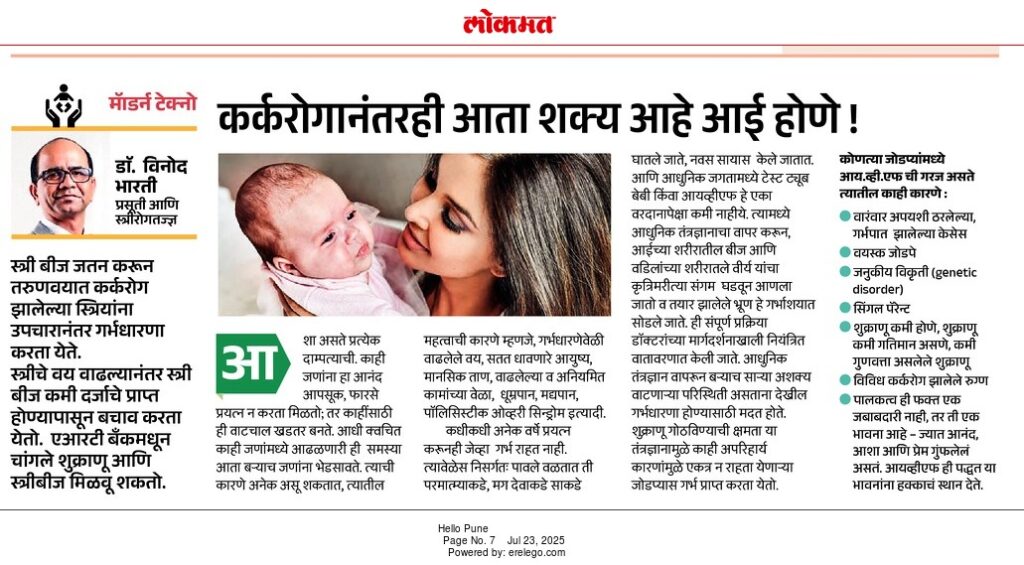
Motherhood is possible even after cancer – Article by Dr. Vinod Bharti published in ‘Lokmat’ Modern Techno – Motherhood Is Now Possible Even After Cancer! By preserving a woman’s eggs, women who develop cancer at a young age can still conceive after completing their treatment. Egg preservation helps prevent the decline in egg quality that naturally occurs with increasing age. Good-quality sperm and eggs can be obtained through ART banks. Every couple dreams of becoming parents. Some achieve this joy naturally, while others face unexpected challenges on their journey. Fertility issues, once uncommon, are now rising rapidly. Common reasons include advanced maternal age, fast-paced lifestyle, mental stress, irregular work schedules, smoking, alcohol consumption, and Polycystic Ovary Syndrome (PCOS). When pregnancy does not occur after years of trying, many couples turn to faith, prayers, and spiritual hope. In today’s modern world, Test Tube Baby / IVF has become a true blessing. With advanced technology, a woman’s egg and a man’s sperm are combined outside the body, and the developed embryo is transferred into the uterus. The entire procedure is carried out under expert medical guidance in a safe, controlled environment. With modern scientific techniques, pregnancy is possible even in situations that once felt impossible. Sperm-freezing technology allows couples separated due to unavoidable reasons to still achieve pregnancy in the future. Who Needs IVF? Repeated pregnancy failures or multiple miscarriages Older couples Genetic disorders Single parents Low sperm count, poor motility, or poor sperm quality Patients recovering from various cancers The Essence of Parenthood Parenthood is more than a responsibility — it is an emotion filled with hope, joy, and unconditional love. IVF protects this emotion by giving couples a real chance to experience the happiness of becoming parents.
World IVF Day | Dr. Vinoad Bharrati Featured in India Today on IVF & Emotional ChallengesHow to Prepare for a Comfortable Labor Experience – Copy
World IVF Day | Dr. Vinoad Bharrati Featured in India Today on IVF & Emotional Challenges Infertility, IVF, and Emotional Pressure in Indian Families – Dr. Vinoad Bharrati’s Perspective In India, I often see how deeply marriage is tied to the expectation of parenthood. No matter the couple’s age, society treats the years after marriage as a countdown to having a child. This creates tremendous emotional pressure—especially in joint families, where women are frequently subjected to intrusive questions, judgement, and unspoken comparisons. For many, the belief that a marriage is “complete” only after childbirth remains deeply rooted across generations. As a gynaecologist, I witness not only the medical side of infertility but also the emotional trauma couples endure because of social expectations. Sadly, infertility is still seen as a personal failure in many Indian households. Whether in urban or rural settings, older generations often connect their own identity and fulfillment with becoming grandparents. As a result, couples—particularly women—face blame, guilt, and social stigma when conception does not happen naturally. The Silent Struggles Couples Face During IVF Social isolation and feeling “left out” Unwanted or unscientific advice from relatives Blame and pressure, disproportionately directed at women Comparisons with friends or cousins who conceived earlier Statements like “just relax” or “have faith,” which minimize their struggle These emotional burdens often make the IVF journey even more challenging than the medical process itself. How Couples Can Cope Better — My Guidance Create a judgment-free emotional space: Speak openly with your partner. Support each other without criticism or fear. Decide what and how much to share with family: You are not obligated to disclose every detail. Set healthy boundaries — politely but firmly: “We’re working on it and will share when the time is right.” Educate family when possible: IVF is a medical solution, not a failure. Seek professional counselling: Helps manage stress, expectations, and emotional fatigue. We provide this at Rising Medicare Hospital & Elite Momz. Join a support network: Connecting with other couples reduces emotional isolation. Take care of your mental well-being: Meditation, light exercise, journaling, and breaks from fertility-focused discussions help greatly. Rewriting the Narrative Around IVF IVF is not a reflection of weakness—it is a powerful step forward.It is courage. It is resilience.It is hope. You are not “less” for choosing IVF.You are choosing a scientifically supported path toward parenthood. In my view, infertility and IVF are not only medical conditions; they are deeply emotional experiences, shaped by cultural expectations. When couples receive compassion, understanding, and emotional support—both from their families and society—the journey becomes far less burdensome. My hope is that with greater awareness, we shift from judgment to empathy, from stigma to acceptance, and from silence to open conversations.IVF is not the end— It is a new beginning filled with hope and possibility.
Hindustan Times Spotlights Dr. Vinod Bharti on Monsoon Gynaecological Care

Hindustan Times Spotlights Dr. Vinod Bharti on Monsoon Gynaecological Care We are proud to share that Dr. Vinoad Bharrati, Director and Consultant Gynaecologist at Rising Medicare Hospital & Elite Momz, Pune, has been featured in Hindustan Times Lifestyle for his expert contribution to women’s monsoon health. I am honored to be featured in Hindustan Times, in an article published on 5th August 2025, where I shared my guidance on the five common gynaecological infections that tend to increase during the monsoon season. In this feature, I discussed how humid weather makes women more prone to fungal, bacterial, and urinary tract infections, the early warning signs they should never ignore, and the essential preventive measures every woman must follow to stay healthy and protected during the rainy season. Here are the key insights I provided: The monsoon’s humidity creates an environment where fungal, bacterial, and urinary tract infections become more common. Women should watch out for early symptoms such as curdy white or foul-smelling discharge, excessive itching, or burning sensation during urination. Lower abdominal pain or discomfort may also indicate a developing infection. I encourage women to adopt preventive habits like wearing cotton innerwear, changing clothes when wet, and choosing loose, breathable garments. Maintaining intimate hygiene is crucial—avoid perfumed soaps or sprays in sensitive areas and always clean public toilet surfaces before use. If any symptoms persist, immediate medical consultation is essential to prevent complications.
NICU Success Story: A Remarkable Recovery From Severe Respiratory Distress
Success Story NICU Success Story: A Remarkable Recovery From Severe Respiratory Distress A full-term baby (38 weeks 6 days) was born to a second-time pregnant mother with a previous C-section. At the time of birth, the baby had passed meconium in the womb (thick meconium-stained liquor) and soon developed difficulty in breathing (severe respiratory distress). Due to the critical condition, the newborn was immediately admitted to a Level 3 NICU for advanced care. On admission, the baby presented with labile hypoxia and required 100% FiO₂ for stabilization. The newborn was promptly intubated and placed on mechanical ventilation. Clinical findings and a 2D Echo were suggestive of Persistent Pulmonary Hypertension of the Newborn (PPHN), along with a patent ductus arteriosus (PDA) and a small VSD. A chest X-ray showed changes consistent with Meconium Aspiration Syndrome, following which surfactant therapy was administered. The baby was supported with milrinone infusion, inotropic support, and appropriate sedation to maintain comfort and ensure optimal ventilator synchrony. Over the next few days, the baby showed steady improvement. The oxygen requirement gradually decreased, and respiratory efforts became stronger. After 5 days of mechanical ventilation, the newborn was successfully extubated and transitioned to CPAP support. As the baby maintained normal oxygen saturation in room air, CPAP was gradually weaned off. Milrinone and inotropes were tapered and discontinued, and the baby progressed to full oral feeds without difficulty. By day 12 of life, the newborn was discharged home—active, feeding well, and maintaining all vital parameters within the normal range. This success story reflects the power of resilience, timely intervention, and dedicated NICU care, transforming a critical beginning into a beautiful recovery.
World IVF Day | Dr. Vinoad Bharrati Featured in India Today on IVF & Emotional Challenges
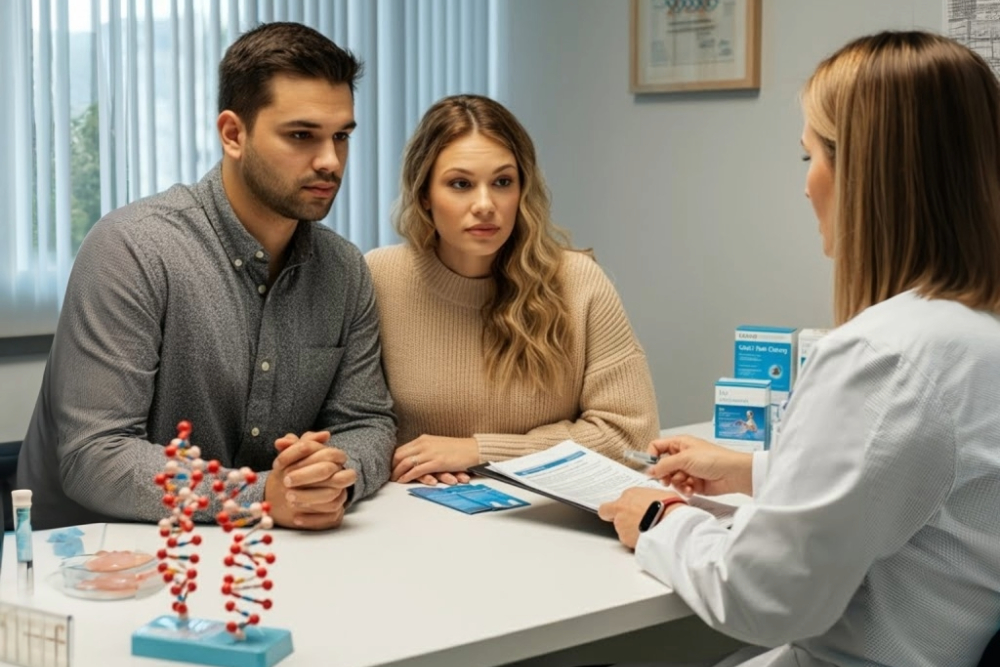
Infertility, IVF, and Emotional Pressure in Indian Families — Dr. Vinoad Bharrati’s Perspective In India, I often see how deeply marriage is tied to the expectation of parenthood. No matter the couple’s age, society treats the years after marriage as a countdown to having a child. This creates tremendous emotional pressure—especially in joint families, where women are frequently subjected to intrusive questions, judgement, and unspoken comparisons. For many, the belief that a marriage is “complete” only after childbirth remains deeply rooted across generations. As a gynaecologist, I witness not only the medical side of infertility but also the emotional trauma couples endure because of social expectations. Sadly, infertility is still seen as a personal failure in many Indian households. Whether in urban or rural settings, older generations often connect their own identity and fulfillment with becoming grandparents. As a result, couples—particularly women—face blame, guilt, and social stigma when conception does not happen naturally. The Silent Struggles Couples Face During IVF In my practice, couples undergoing IVF commonly share struggles such as: These emotional burdens often make the IVF journey even more challenging than the medical process itself. How Couples Can Cope Better — My Guidance Over the years, I guide couples to protect their emotional health while navigating fertility challenges: 1. Create a judgment-free emotional spaceSpeak openly with your partner. Support each other without criticism or fear. 2. Decide what and how much to share with familyYou are not obligated to disclose every detail. 3. Set healthy boundaries — politely but firmlyA simple reply like, “We’re working on it and will share when the time is right,” can reduce unnecessary pressure. 4. Educate family when possibleMany concerns stem from lack of awareness. I encourage couples to explain that IVF is a medical solution, not a failure. 5. Seek professional counsellingFertility counselling helps manage stress, expectations, and emotional fatigue. At Rising Medicare Hospital and Elite Momz, we provide this support as part of IVF care. 6. Join a support networkConnecting with other couples helps normalize the journey and reduces emotional isolation. 7. Take care of your mental well-beingGentle exercise, meditation, journaling, and occasional breaks from fertility-focused conversations make a big difference. Rewriting the Narrative Around IVF IVF is not a reflection of weakness—it is a powerful step forward.It is courage. It is resilience.It is hope. You are not “less” for choosing IVF.You are choosing a scientifically supported path toward parenthood. In my view, infertility and IVF are not only medical conditions; they are deeply emotional experiences, shaped by cultural expectations. When couples receive compassion, understanding, and emotional support—both from their families and society—the journey becomes far less burdensome. My hope is that with greater awareness, we shift from judgment to empathy, from stigma to acceptance, and from silence to open conversations.IVF is not the end—It is a new beginning filled with hope and possibility.